Understanding the £13.6 Billion Business Rates Support for UK Retailers
The landscape of UK retail is undergoing significant transformation, marked by evolving consumer habits, the rise of e-commerce, and persistent challenges like inflation. In response, the UK government has unveiled a substantial £13.6 billion business rates support package, a move hailed as a crucial step towards rebalancing the retail tax environment. While discussions around specific governmental interventions for UK retailers sometimes shorthand to a '£13 rule' or '£13 initiative,' it's vital to delve into the comprehensive scope and intended impact of this multi-billion-pound investment. This package is not merely a financial handout but a strategic move designed to breathe new life into struggling high streets and foster a more equitable trading landscape for all UK retailers.
At the heart of the government’s commitment to bolstering the UK retail sector lies this formidable £13.6 billion programme, announced during the Autumn Statement. This isn't merely a one-off payment; it's a strategic, five-year programme designed to mitigate the financial pressures faced by businesses across England. For UK retailers, this represents a significant lifeline, aiming to alleviate the burden of property taxes that have historically been a point of contention.
A HM Treasury spokesman underscored the package’s multifaceted benefits, stating its purpose is to "protect all businesses in England in full from rising inflation, cuts average bills in every region and addresses the tax imbalance between bricks and mortar and in-store sales." This holistic approach signals a recognition of the diverse challenges retailers confront, from inflationary pressures driving up operational costs to the inherent disadvantage faced by physical stores compared to online counterparts due to the current taxation framework.
The Rationale Behind the Investment
The decision to commit such a substantial sum reflects a deeper understanding of the economic realities impacting the high street. For years, traditional brick-and-mortar stores have struggled with what many perceive as an unfair playing field. Online retailers, with often lower overheads and different tax liabilities based on their operational models, have thrived, while physical stores have contended with escalating business rates – taxes levied on non-domestic properties – even as footfall declined in some areas. This disparity has contributed to the visible decline of some high streets, with independent shops and major chains alike facing existential questions. The £13.6 billion injection seeks to level this playing field, fostering an environment where both online and physical UK retailers can compete more equitably, ensuring that the vibrancy of local communities is preserved.
Furthermore, the persistent threat of inflation has eroded profit margins and consumer spending power. Businesses have seen their costs for energy, supplies, and wages climb steadily, putting immense pressure on their bottom lines. By protecting businesses from rising inflation through mechanisms like freezing the business rates multiplier and providing various reliefs, the government aims to inject stability and predictability into the financial planning of thousands of retail businesses. This support is critical for enabling businesses to retain staff, invest in their premises, and ultimately contribute robustly to local economies, preventing further job losses and fostering community growth.
Bridging the Tax Imbalance: A Core Objective for UK Retailers
One of the most critical aspects of the £13.6 billion package is its explicit aim to address the "tax imbalance between bricks and mortar and in-store sales." This imbalance has been a long-standing grievance within the retail sector, with many arguing that the current business rates system disproportionately burdens physical premises. Consider a high street boutique versus an online-only fashion retailer: both sell clothes, but only one bears the full brunt of property taxes, regardless of sales performance. For many UK retailers, this issue has been central to their operational viability, with high rates making expansion difficult and even leading to store closures, creating 'dark stores' that deter further investment.
The business rates system, originally conceived in a vastly different economic era, struggles to adapt to the digital age, where substantial commercial activity can occur without a significant physical footprint. While this package is not a complete overhaul of the business rates system – a reform that many still advocate for – it offers substantial relief that directly targets this disparity. By reducing the burden on physical properties, it makes it more economically feasible for stores to maintain their high street presence, invest in customer experience, and provide vital local employment opportunities. This move acknowledges the invaluable societal contribution of physical retail beyond mere commerce.
Impact on London and Beyond
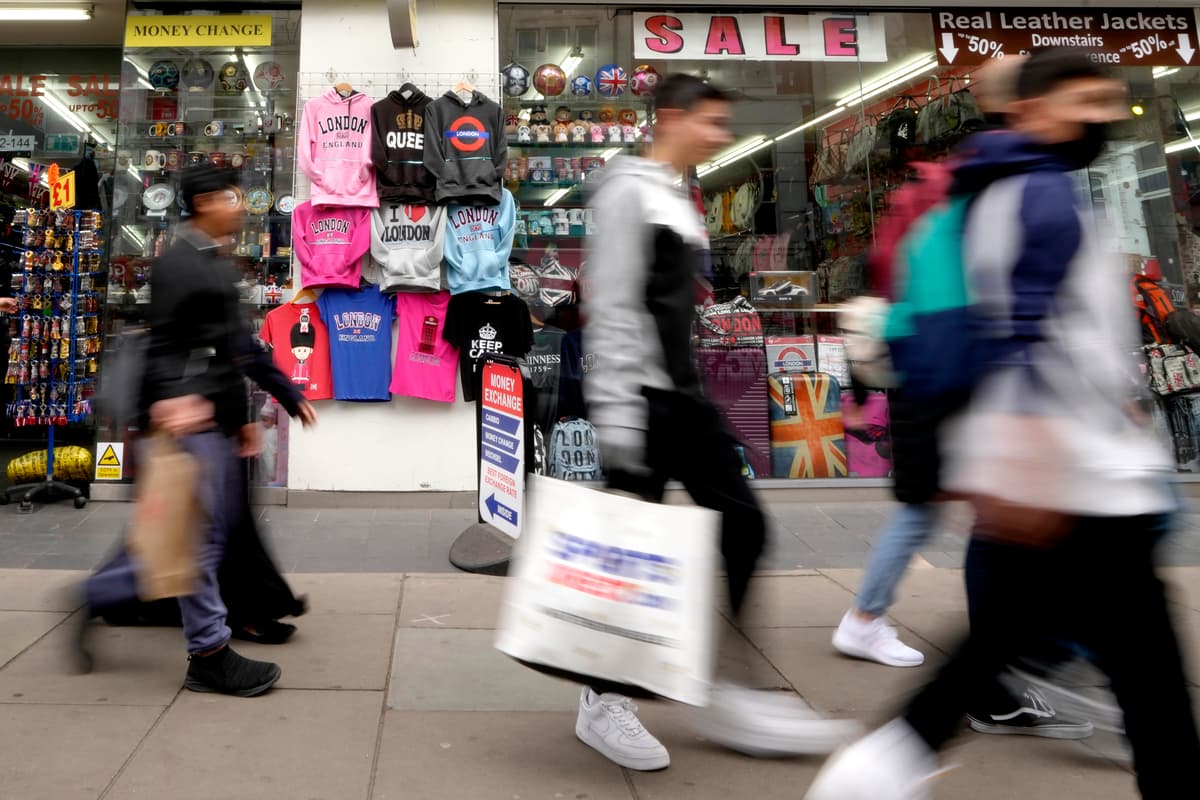
While the package benefits all businesses in England, specific examples highlight its immediate effects. Properties on leading London shopping streets, for instance, are estimated to see an average 4% reduction in their business rates bill following new valuations. This is a significant relief in one of the world's most expensive retail landscapes. For London-based UK retailers, this reduction can translate into millions of pounds saved, which can then be reinvested into upgrading stores, enhancing digital integration, or offering more competitive pricing.
Beyond the capital, the commitment to cut average bills "in every region" ensures that the benefits are felt nationwide. This broad application is crucial for supporting local high streets and fostering economic growth in diverse communities. It’s a recognition that the challenges of retail extend far beyond major cities and that a thriving local retail sector is vital for community well-being and economic resilience across the entire country.
Practical Implications and Actionable Advice for UK Retailers
For UK retailers navigating the complexities of the current economic climate, the £13.6 billion support package offers tangible relief and opportunities. Understanding how to leverage this support effectively is key to maximising its benefits.
- Review Your Business Rates: Engage with your local authority or a reputable business rates consultant to understand the specifics of your new valuation and how the government's support package impacts your bill. Ensure you are receiving the full entitlement and challenge any discrepancies.
- Strategic Reinvestment: The savings from reduced business rates can be strategically reinvested. Consider enhancing your in-store experience, upgrading technology (such as modern POS systems or advanced inventory management), or investing in staff training to improve customer service and operational efficiency.
- Digital Integration: While the package specifically supports physical stores, a blended approach is essential for modern retail. Use savings to strengthen your online presence, improve e-commerce platforms, or develop seamless click-and-collect options that bridge the gap between your physical and digital channels.
- Advocate for Future Reforms: While significant, this package is a critical step, not necessarily the final solution. Remain engaged with retail bodies and industry groups to advocate for further, more comprehensive reform of the business rates system to ensure long-term fairness and sustainability.
- Financial Planning: Incorporate the expected business rates reductions into your long-term financial forecasts. This newfound stability and predictability can open doors for growth initiatives, expansion plans, or even a contingency fund that might have been previously unfeasible.
This package offers a chance for UK retailers to breathe, regroup, and plan for a more resilient future. It addresses a key financial pressure, allowing businesses to redirect resources towards innovation and growth rather than simply covering rising operational costs. The ability to invest in digital infrastructure, employee training, or even expanding product lines can significantly enhance a retailer's competitive edge in a dynamic market. For more detailed insights into the broader support landscape, consider exploring resources like UK Retailers Gain From £13.6 Billion Business Rates Support, which offers additional context on the package's implications and how to interpret these changes for your business.
Looking Ahead: The Future of UK Retail Taxation
The £13.6 billion package marks a significant intervention, but the debate around retail taxation and the balance between online and physical businesses is far from over. This five-year support programme provides a crucial window for the government to consider more fundamental reforms to the business rates system, potentially exploring alternatives that are less dependent on physical property values. The aspiration remains a system that is fairer, simpler, and more adaptable to the realities of modern commerce, one that doesn't inadvertently penalize businesses for having a physical presence.
Discussions continue regarding potential alternatives or complementary measures, such as an online sales tax, though this remains a complex and contentious issue with its own set of challenges and potential unintended consequences. What is clear, however, is the government's recognition of the vital role physical retail plays in communities, employment, and the overall economy. This support package, sometimes discussed by UK retailers in shorthand as a '£13 initiative,' underscores a commitment to protecting and nurturing the high street and ensuring its continued relevance.
Retailers, policymakers, and consumers alike will be watching closely to see how this package impacts the sector over the coming years and what long-term solutions emerge from ongoing reviews. The goal is to create a sustainable tax environment that encourages investment, innovation, and ultimately, a thriving retail landscape for all. For a deeper dive into the economic analysis and strategic implications, another valuable resource is Analyzing the £13.6 Billion Boost for UK Retail Business Rates, which provides expert perspectives on the long-term impacts.
The £13.6 billion business rates support package represents a pivotal moment for UK retailers. By addressing the critical issues of inflationary pressures and the imbalance between online and physical retail taxation, it offers substantial financial relief and an opportunity for growth. While the broader conversations around reform continue, this significant investment provides immediate, tangible benefits, empowering businesses to reinvest, innovate, and contribute robustly to the UK economy. It is a clear signal of intent to foster a more equitable and resilient retail sector, ensuring that Britain's high streets can continue to adapt and thrive in an ever-changing world.